TWO-BALL LAYOUT
Two-Ball Layout
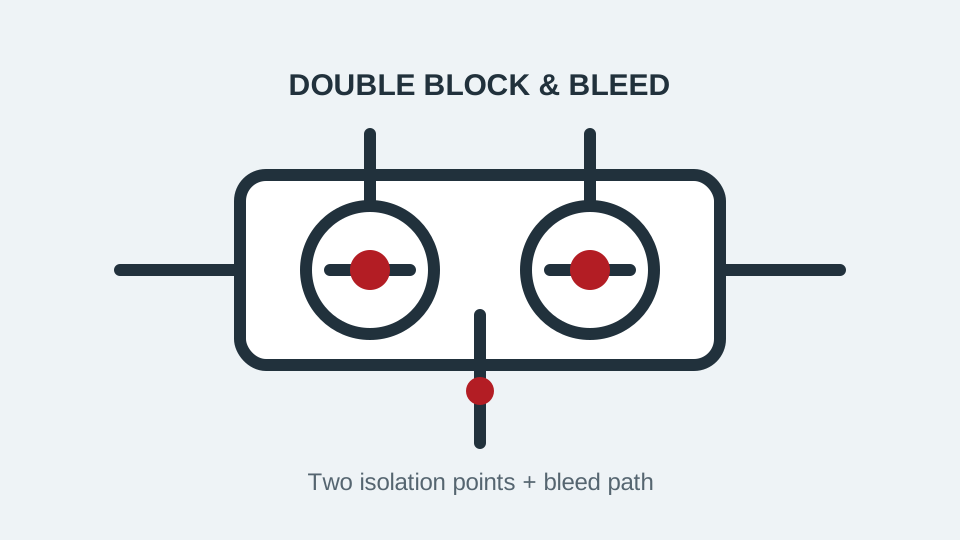
Double Ball DBB Valves
Compare two-ball DBB architecture when the project requires two physical ball closures in one assembly.
Two closure balls
View collection →Pipeline Double Block & Bleed
Trunnion mounted DBB valves are used where a project needs DBB functionality together with supported-ball construction typical of demanding pipeline isolation duties. Selection starts with size and class, then moves quickly to bore, seat philosophy, cavity pressure relief, operator torque and project testing requirements.
Related Collections
Use the related collection pages to keep valve architecture, installation function and buyer intent separate.
Two-Ball Layout
Compare two-ball DBB architecture when the project requires two physical ball closures in one assembly.
Two closure balls
View collection →Compact Body
Use integral construction when reducing spool length and external joints is the main installation objective.
Compact line isolation
View collection →Pipeline Ball Valve Family
Review the broader API 6D ball valve collection for trunnion, floating and fully welded designs.
Related pipeline ball valves
View collection →Buyer Selection Matrix
| Pressure class and line size | Confirm the project class, design pressure/temperature and line size before selecting body and operator configuration. |
|---|---|
| Seat philosophy | State project requirements for seat directionality, SPE/DPE behavior, DBB/DIB interpretation and acceptable leakage criteria where applicable. |
| Cavity pressure relief | Confirm how trapped body-cavity pressure must be relieved and whether external relief piping is required. |
| Bore / pigging | Specify full bore for piggable lines and confirm minimum bore / end-to-end constraints from the piping specification. |
| Operator and torque | Give manual gear or actuator requirements plus any torque margin, stem extension, locking or position indication needs. |
Selection Logic
For trunnion ball valve applications, the phrase DBB is not enough to define the seat behavior. Projects may also define single-piston or double-piston seat effects, cavity pressure relief and isolation direction. These requirements influence the seat system, body cavity behavior and testing. The approved valve datasheet should therefore control the final design.
Project Application
Send the line class, P&ID tag, size, pressure class, design standard, bore, end connection, body/ball/stem/seat materials, seat philosophy, cavity relief requirement, operation, buried or above-ground installation, stem extension if needed, service fluid, corrosion / sour-service requirements and inspection plan.
For final selection, use the project valve specification, piping class, instrument hook-up drawing or approved datasheet as the controlling document.
Factory & Quality Evidence
Buyers can review YINKE VALVE factory information, quality documents, sample inspection records and project references before technical and commercial confirmation.
Buyer Questions
The DBB requirement adds a defined isolation-and-bleed function. The project must specify how the closure and bleed arrangement is achieved and verified.
Yes when the project specification uses these seat philosophies. They affect cavity pressure behavior and the required isolation function.
Not automatically. API 6D is common for pipeline ball valves, but the governing design and test standards must come from the project specification and datasheet.
RFQ Checklist
Technical data is confirmed against the final quotation, approved drawings and project specification.
Send the valve list, datasheet, P&ID or instrument hook-up drawing for technical and commercial review.