01 · Basic Data
Size, Class and Quantity
Confirm nominal size, Class 300, quantity, design standard and required delivery basis.
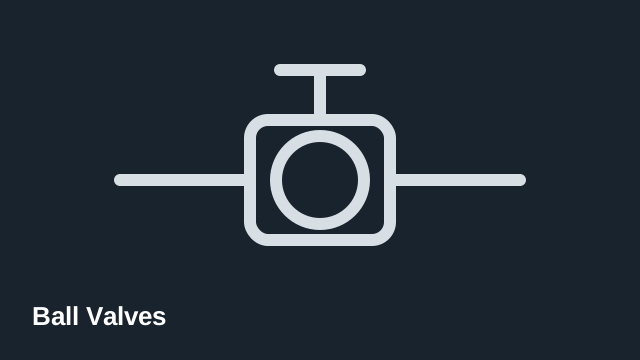
API 6D Fully Welded Ball Valves
Class 300 Fully Welded Ball Valve is configured for moderate-pressure process, refinery and utility service. Available materials, end connections, operation and inspection options can be matched to the project specification.
Technical Specifications
| Pressure Class | ASME Class 300 |
|---|---|
| Design Standard | API 6D / ASME B16.34 |
| Size Range | 2–48 in |
| Body Materials | Carbon Steel, Low Temperature Carbon Steel |
| Connections | RF, BW |
| Application Focus | Buried pipelines, transmission and district-energy service |
Selection Guide
Class 300 is used for moderate-pressure process, refinery and utility service. A common step up from class 150 when line class, temperature or project requirements demand more pressure capability. For this valve design, buyers should also review ball support, seat design, cavity pressure management, stem sealing and operator sizing.
Final pressure-temperature limits, dimensions, operating torque and test values are confirmed against the applicable standard, approved drawing and project specification.
Download a PDF summary with the Class-specific product range, materials, end connections, selection notes and RFQ checklist.
Download PDF DatasheetMaterial Selection
Typical project materials include Carbon Steel, Low Temperature Carbon Steel. The correct grade depends on corrosion, minimum and maximum design temperature, toughness, hardness limits and the project material specification.
End Connections
Rf is widely used, while rtj or bw may be selected when the piping class or service demands it. Available connection families for this product include RF, BW.
Design & Engineering
For Class 300, review wall section, bolting, trim selection, operating torque and compatibility with the line class. Also confirm bore, seat design, DBB/DIB requirement, body material, end connection, operator and fire-safe/NACE needs.
Pipeline, gas transmission, terminals, refinery, lng and process isolation. Final suitability depends on the actual fluid, design temperature, corrosion conditions, cycling frequency and project specification.
Testing & Inspection
Add pmi, nde or project itp hold points when required by the purchase specification.
RFQ Checklist
Use this checklist to prepare a complete enquiry and reduce technical clarification during quotation.
01 · Basic Data
Confirm nominal size, Class 300, quantity, design standard and required delivery basis.
02 · Construction
State body material, trim or seat requirement and the approved end connection: RF, BW.
03 · Project Requirements
Include process fluid, design temperature, applicable project specifications, inspection level and certification requirements.
Buyer Questions
Provide valve size, Class 300, design standard, body and trim material, end connection, operation, quantity, service fluid, design temperature and inspection requirements.
Typical project options include Carbon Steel, Low Temperature Carbon Steel. Final material selection must follow the approved piping class and service conditions.
This product family includes RF, BW. The correct connection depends on the line class, flange facing or weld preparation in the project specification.
Where the design allows it, gear, pneumatic, electric or hydraulic operation can be evaluated after operating torque, fail action and project requirements are confirmed.
Related Products
Compare other pressure classes in the same valve family or return to the full product range.